
HIZIRBEY HAMAMI
1458
The First Breath of the Conqueror’s City
Shortly after the conquest of Istanbul, while the city was being reborn as the heart of a new empire, Fatih Sultan Mehmet entrusted its justice and administration to a visionary: Hızır Bey. As the city’s first judge (Kadi) and mayor, Hızır Bey did not just build laws; he built a sanctuary for the people.
In 1458, he laid the foundation of Hızırbey Hamamı—the very first dome built specifically for the public's well-being. This was not a private bath for the palace; it was a gift to the souls of Istanbul.
Architecture of the Soul
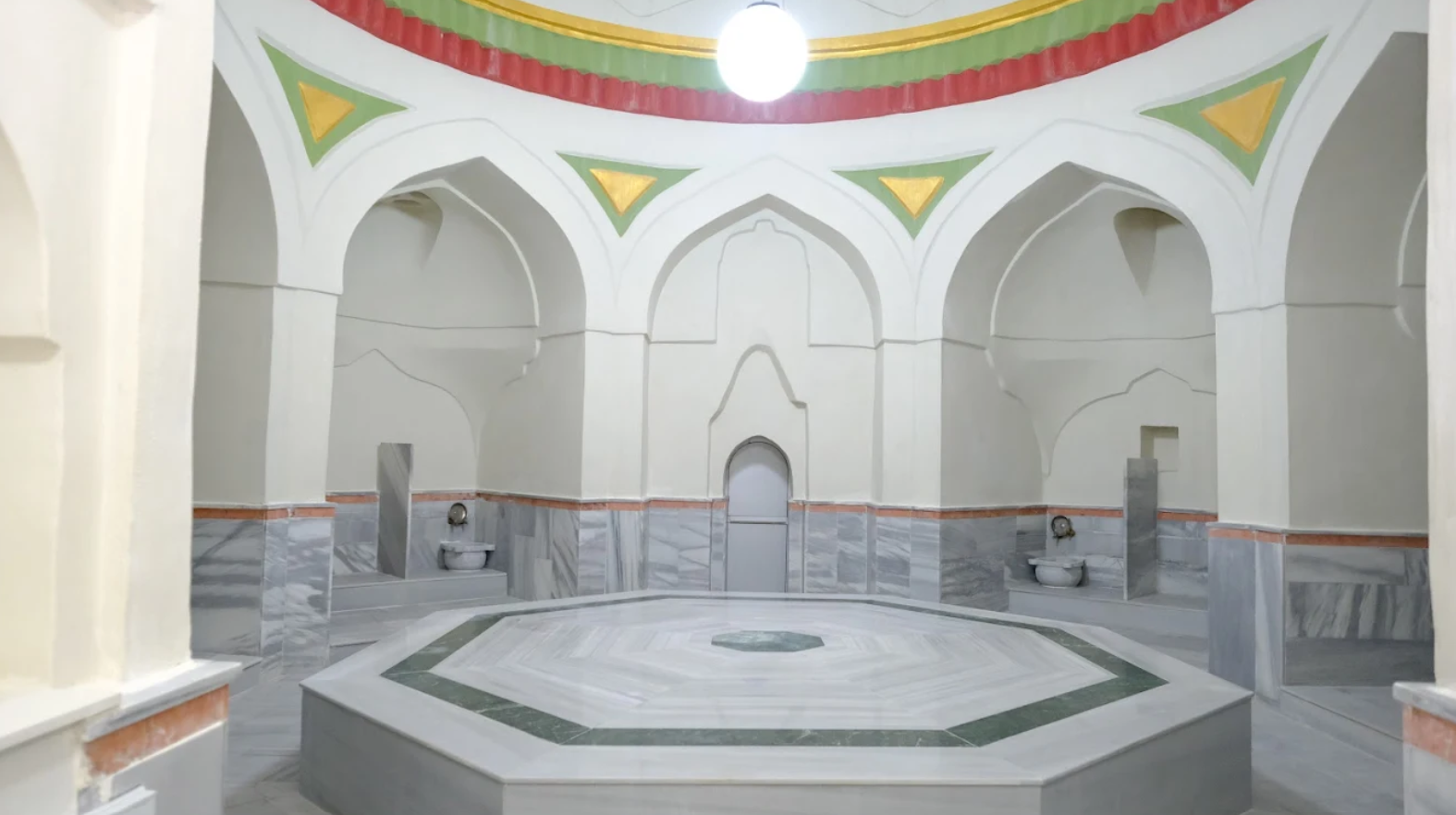
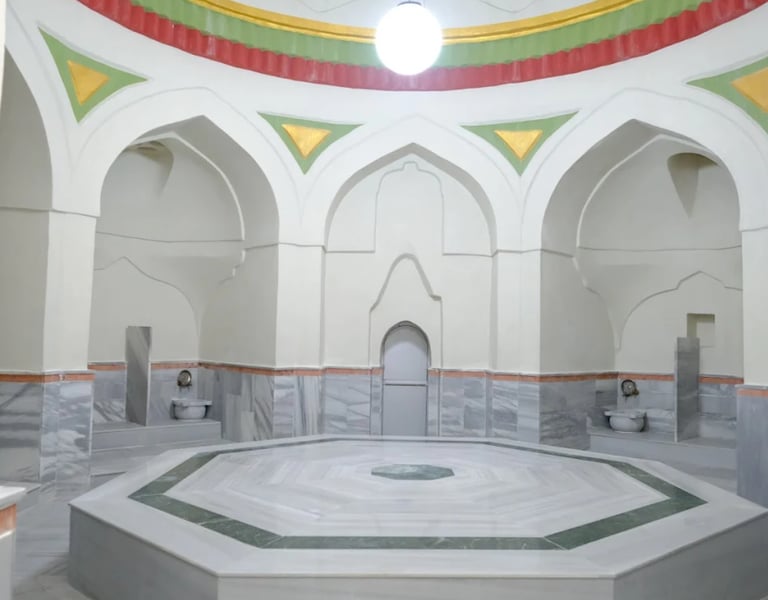
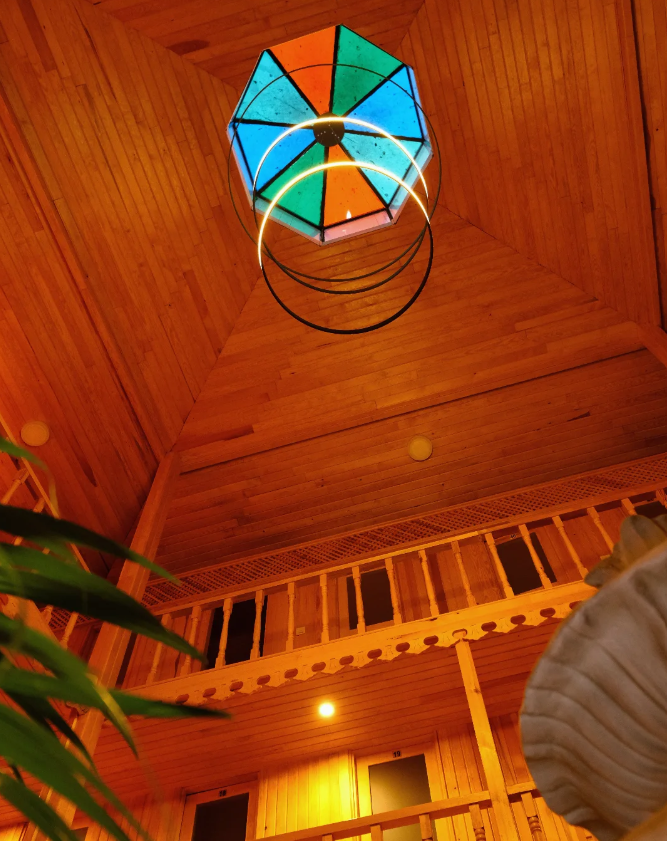
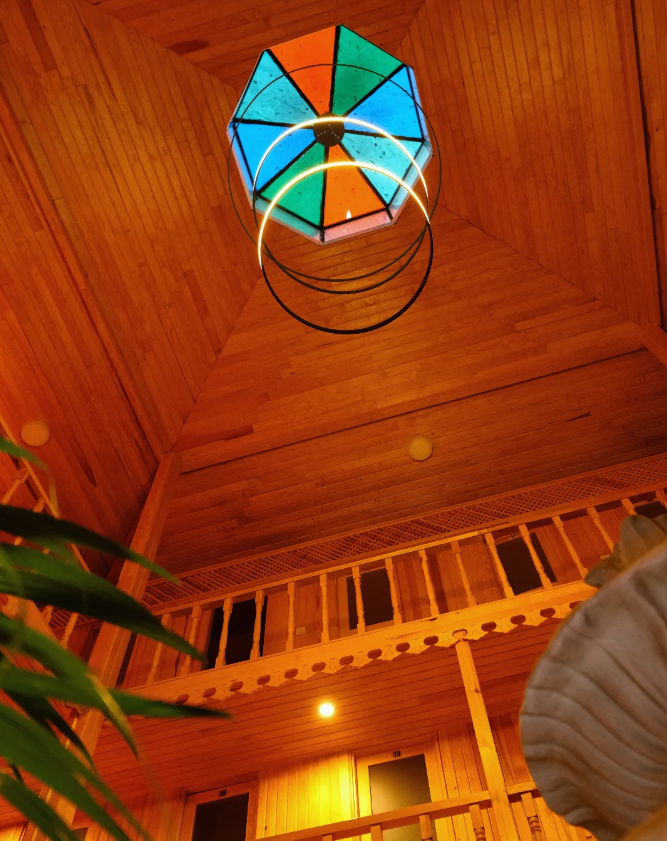
For over 570 years, these stone walls have witnessed the rise and fall of empires, the whispers of travelers, and the ritual of purification. Built with the classical Ottoman architectural soul, the hamam features a majestic dome that filters celestial light through its "elephant eye" windows, casting a timeless glow on the warm marble below.
Unlike the grand palace baths built for royalty, Hızırbey was crafted for the essence of unity. It remains a rare example of a space where the concept of "Oneness" (Bir’iz) is felt in every steam-filled corner.
The Whisper of Secrets & The Healing Waters
The Ancient Echo: Cisterna Votorum
Deep beneath the foundations of Hızırbey Hamamı lies a secret as old as the city itself. Legend speaks of a vast, hidden cistern connected to the sacred Cisterna Votorum—the "Cistern of Vows." These ancient waters were once the source of the holy baptismal fonts in the nearby Byzantine Church of Panaghia, commissioned by Emperor Justinian for Empress Theodora.
It is believed that these waters carry a celestial power:
The Power of Vows: To hear and answer one’s deepest desires.
Healing: To restore the harmony between body and soul.
Abundance: To bring blessings and new beginnings to those who seek them.
"Corpus Purgate, Animus Purgate" (Cleanse the Body, Purify the Soul)
In Hızırbey, water is never just water. It is a sacred element that bridges the physical and the spiritual. While the church offered the water for ritual, the hamam allows you to immerse yourself within its power. Here, as the steam rises, the boundary between your intentions and the ancient spirit of the city thins.
The Silent Covenant
Tradition tells us that those who approach the water with a pure heart and whisper their most sincere wish will receive a faint echo from the depths of the cistern—a sign that their vow has been heard. Hızırbey Hamamı has acted as the silent confidant of millions of souls since 1458, keeping their prayers, hopes, and secrets safe within its stone heart.
Where Eras Converge
The story of Hızırbey is more than a chronicle of stones and mortar. It is a journey that began only five years after the conquest, in a time when Constantinople was being reborn as the capital of a new era. By stepping into these waters, you are not just visiting a bath; you are connecting to a 15th-century legacy that continues to flow through the veins of Istanbul.
The Chronicle of Hızırbey: Where Two Worlds Meet
The story of Hızırbey Hamamı begins in 1458, exactly five years after the monumental conquest of Constantinople. As the city was being reshaped into the capital of a new empire, Fatih Sultan Mehmet appointed Hızır Bey Celebi—the city’s first Judge (Kadi) and Mayor—to establish the foundations of civil order.
Hızır Bey did not merely build a structure; he created the city’s very first public dome dedicated to the well-being of its citizens. While other grand hamams were built for the pleasure of the Ottoman elite, Hızırbey was a gift to the people of Istanbul, embodying a philosophy of social equality and physical purification.
Beneath the centuries-old marble floors lies a secret that bridges the Ottoman legacy with the ancient Byzantine spirit. Legend tells of a connection to a hidden underground structure known in Latin as Cisterna Votorum—the "Cistern of Vows".
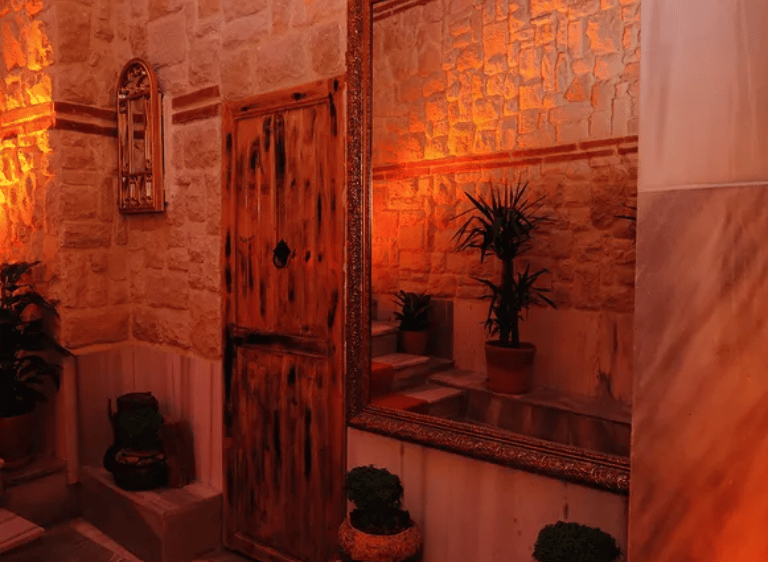
The Empress’s Source: Historical whispers suggest this cistern provided the holy water for the Byzantine Church of Panaghia (House of the Mother of God), built by Emperor Justinian for Empress Theodora.
The Healing Current: The water flowing through the hamam is believed to carry the same spiritual charge as these ancient baptismal fonts, offering more than just cleanliness—it offers a restoration of the soul.
The Whisper of Vows: It is said that the cistern acts as a "silent confidant." Those who approach the water with a pure heart and a sincere wish might hear a faint echo from the depths, a sign that their vow (Votum) has been accepted.
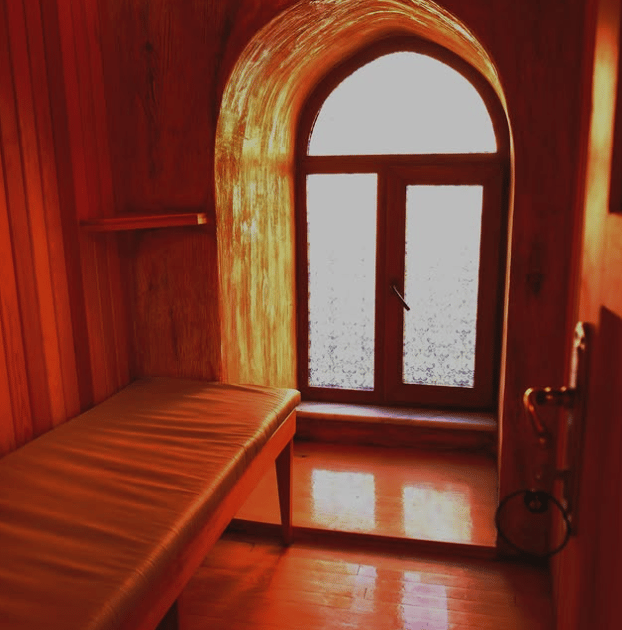

The hamam stands as a rare architectural survivor of the 15th-century "transition period." Its massive dome, pierced by "Elephant Eye" (Filgözü) windows, was designed to capture celestial light and diffuse it through the rising steam.
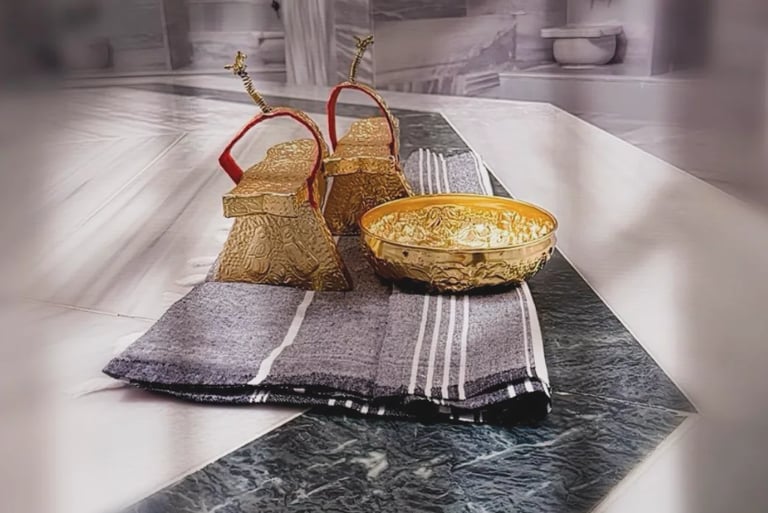
The Warm Marble: The central warm stone (Göbektaşı) was positioned to align with the natural heat currents of the earth, creating a sanctuary of warmth that has not cooled for over 570 years.
The Spirit of Unity: Every arch and stone was placed to reflect the concept of "Oneness" (Bir’iz), ensuring that within these walls, every soul—regardless of status—is equal before the water.
"Corpus Purgate, Animus Purgate"
This ancient Latin maxim—"Cleanse the Body, Purify the Heart"—is the guiding principle of Hızırbey. For nearly six centuries, this sanctuary has guarded the secrets, prayers, and hopes of millions.
Today, as the oldest functioning hamam in the heart of Istanbul, Hızırbey remains the guardian of this dual heritage. It is a place where the water still carries the echoes of a Byzantine empress and the justice of an Ottoman judge, inviting the modern traveler to wash away the weight of the present in the waters of the past.
Located in the historic Fatih district, Hızırbey Hamamı is just steps away from Istanbul’s iconic landmarks. Experience the legacy of 1458, where centuries of tradition meet modern serenity.
Address
Hours
10 AM - 10 PM
Hızırbey Hamamı / 1458
© 2026 Hızırbey Hamamı / 1458. All rights reserved. | The Very First Public Hammam of Istanbul.